 Last time we looked at how words can affect small children, crushing their self-esteem and leaving them unable to join in with our singing culture for decades. It’s horrible. Don’t do it.
But there is a flip side, and one that I know all too well. The chances are good that you aren’t the person making the comments, but the person to whom the comments have been made. That one little comment haunts you, and has done so for decades. You want to sing – you desperately do – but you are frightened that you are going to make a fool of yourself and that someone is going to tell you to be quiet, shut up or that you can’t sing. And then you’ll feel like you are 7 again.
I get it. I really do. And so does every other community choir leader EVER.
It might help a little to understand that a lot of the people in any choir you decide to try out are dealing with similar issues. Family members will laugh and make fun of the fact that you are doing something creative. That is the hardest thing to cope with, I find, and the hardest thing to ignore, because the comments are made by people we love. However, it is important to understand that these comments are generally also made with no concept of the meaning behind them. I have never yet found a singer who has made these comments about another singer. The comments usually come from people who don’t sing. They will portray them as “poking fun” and be very resistant to understanding how hurtful they are.
So, if you get that comment from someone close to you about the fact that “you can’t sing” or some “funny” remark (you sound like a cat in heat, someone will call the police thinking a siren has gone off, etc. etc. ad nauseaum), the first thing you have to do is remember this mantra:
“They don’t sing. What the heck do they know anyway?”
Because really, they don’t know squat. Maybe you don’t sound like Katherine Jenkins or Pavarotti yet. That’s OK. They didn’t either, when they started. And maybe, just maybe, you’d rather sound like Billie Holliday or Ray Charles, instead. Because, hey – who wouldn’t?
There’s also another, slightly nastier undertone here. People make those sorts of comments because they want to stop you. To sabotage you. They don’t want you to succeed at something that they can’t do. It is hard to acknowledge, but often those comments are not made with love at their heart.
When you receive comments like this, the best thing is meet them head on:
“Actually, I think that’s kind of hurtful. I’m enjoying my singing, and I’m doing it for myself. What makes you think that it’s OK to make a comment like that?” I can guarantee that meeting a ‘joke-y’ hurtful comment with a response like that will shut it right down. Do it twice, and it is very unlikely that person will try again.
You don’t need external people trying to hold you back – you deserve to fly!
 You’d be surprised at how many people come to my community choirs (and from what I’ve heard from other choir leaders – their community choirs, too) with absolutely no self-confidence in their ability to be able to sing.
 As optimistic people say, “I love getting old – it beats the alternative!”. Dealing with an ageing voice is something that hopefully we will all be dealing with at some point. Mind you, the definition of “an aging voice” is probably going to be a bit shocking for you. Medically speaking, we are growing, filling out and extending our bodies until we reach the ripe old age of… approximately 35. After that, the studies tell us, it’s all a bit downhill. Personally speaking, I peaked a good few years back, according to that!
 I’m writing this from home today as I am not feeling very well. I have a cold, but one that doesn’t seem to have lingered around my nose and sinuses as they often do, but one which seems to have skipped straight to my throat and lungs, leaving me with a high temperature whilst trying to fight it off.
 You’ve heard the phrases, “chest voice” and “head voice”. They get thrown around in singing lessons and choirs quite a lot. But if we are not careful, they can be overused terms which are never properly explained. So, what do they mean?
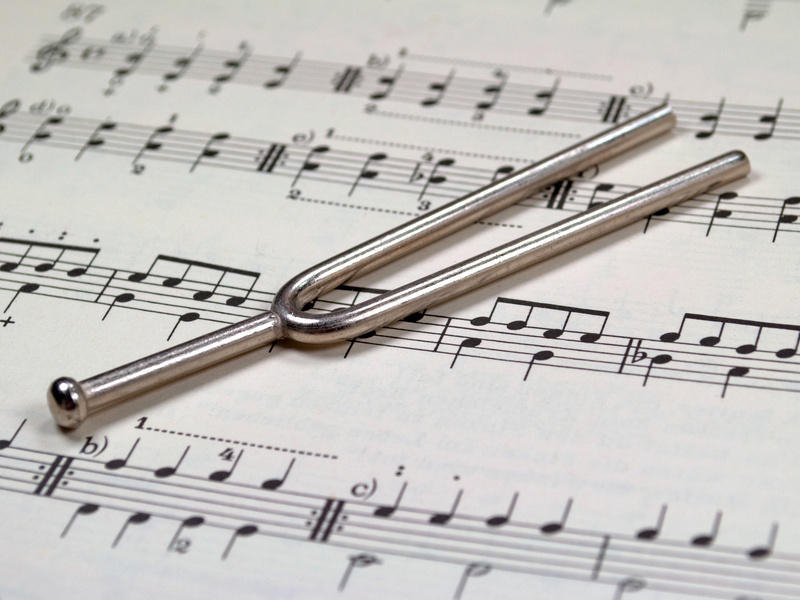 So, we have discussed the fact that not being able to accurately sing in tune is not an unchangeable accident of birth, but rather a lack of proper ear training. There are very, very few people for whom singing in tune is absolutely impossible – the figure hovers somewhere under 1% of the population.
 The main reason that most people get singing lessons is often because they struggle to pitch notes correctly. They are then told by people around them who don’t know any better that this means they can’t sing.